Bokchoy(Kolong)
₹99.00
Out of stock
Description
Bok Choy (Kolong) – Non-Heading Asian Green with Crisp Stems and Tender Green Leaves
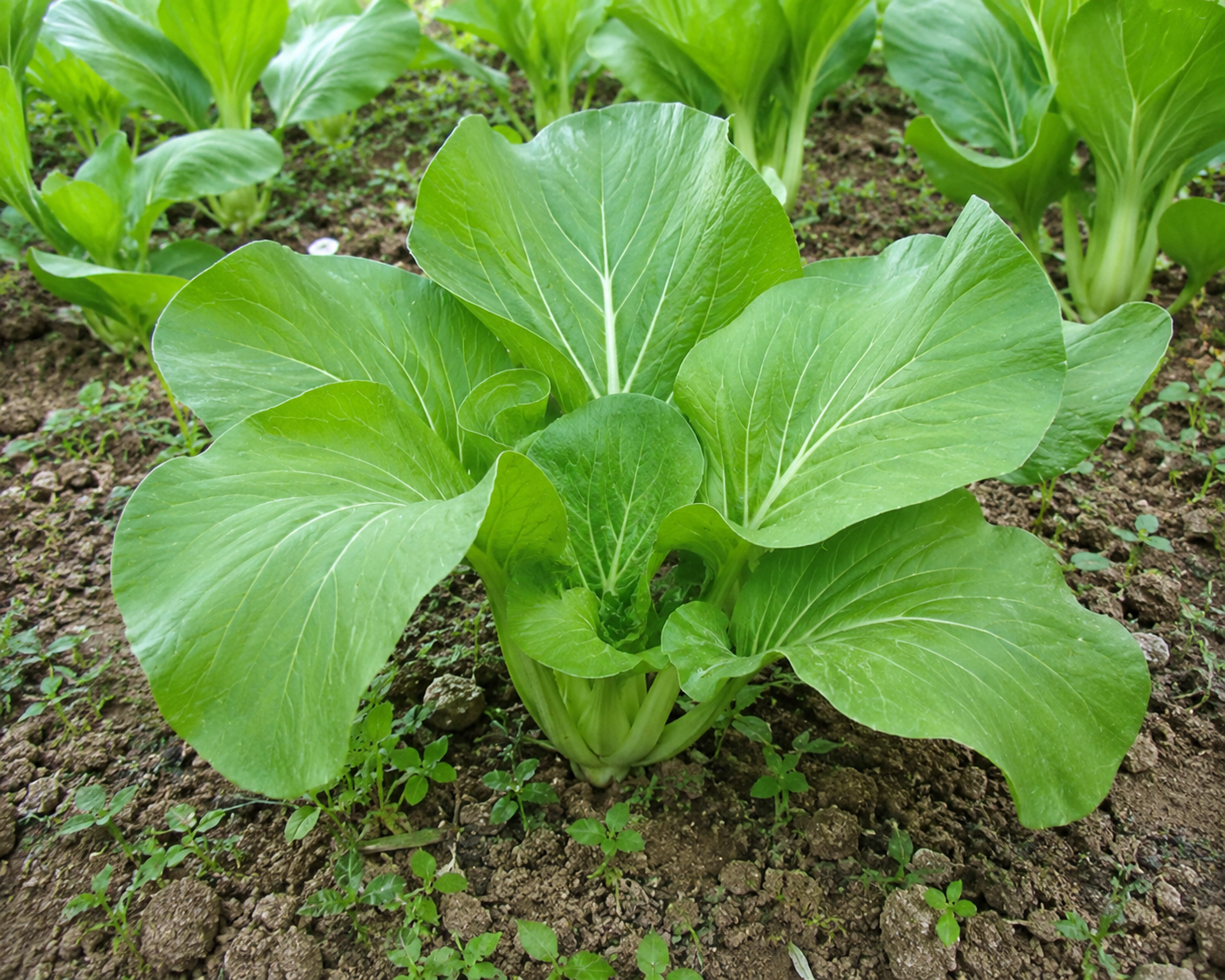
Bok Choy (Kolong) is a unique and versatile Asian leafy vegetable variety that does not form a compact head. Instead, it develops a cluster of fresh green leaf blades with lighter, bulbous bottoms, creating a distinctive appearance somewhat reminiscent of mustard greens.
Known for its tender leaves, crisp stems, mild flavour, and attractive appearance, Bok Choy (Kolong) is an excellent choice for fresh cooking, stir-fries, soups, salads, steaming, and a wide variety of Asian-inspired dishes. Its compact growth habit and versatile culinary uses make it suitable for home gardens, kitchen gardens, terrace gardens, balcony gardens, pots, containers, and commercial vegetable cultivation.
With its quick-growing nature and excellent adaptability, Bok Choy (Kolong) is a great choice for gardeners and growers looking to cultivate fresh, nutritious leafy vegetables at home or on a larger scale.
⭐ Why Choose Bok Choy (Kolong)?
✔ Unique non-heading Bok Choy variety
✔ Produces a cluster of green leaves instead of a compact head
✔ Attractive green leaf blades with lighter bulbous bottoms
✔ Tender and crisp texture
✔ Mild, fresh, and versatile flavour
✔ Excellent for stir-fries and Asian cuisine
✔ Suitable for soups, salads, steaming, and sautéing
✔ Ideal for fresh harvesting and home cooking
✔ Suitable for kitchen and home gardens
✔ Can be grown in terrace gardens and balcony gardens
✔ Suitable for pots and containers
✔ Excellent option for vegetable gardens and commercial cultivation
✔ Minimum 80% germination
📋 Product Specifications
| Specification | Details |
|---|---|
| Product Name | Bok Choy (Kolong) |
| Crop Type | Leafy Vegetable |
| Plant Type | Asian Green / Leafy Vegetable |
| Growth Habit | Non-Heading |
| Leaf Colour | Green |
| Bottom / Stem | Lighter Bulbous Bottom |
| Plant Structure | Cluster of Leaves |
| Flavour | Mild and Fresh |
| Texture | Tender and Crisp |
| Primary Use | Cooking and Fresh Consumption |
| Seed Storage Temperature | 8–16°C |
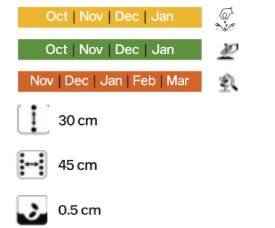
| Sowing Depth | 0.5 cm |
| Row Spacing | 45 cm |
| Plant Spacing | 45 cm |
| Minimum Germination | 80% |
🌱 Growing Information
| Parameter | Details |
| 🌱 Sowing Depth | 0.5 cm |
| 📏 Row Spacing | 45 cm |
| 📐 Plant Spacing | 45 cm |
| 🌿 Plant Type | Leafy Vegetable |
| 🥬 Growth Habit | Non-Heading |
| 🍃 Leaf Colour | Green |
| 🌱 Bottom / Stem Colour | Lighter Bulbous |
| 🌾 Preferred Soil | Fertile, Well-Drained Soil |
| ☀️ Sunlight | Adequate Sunlight |
| 💧 Water Requirement | Regular, Moderate Watering |
| ❄️ Seed Storage Temperature | 8–16°C |
| ✅ Minimum Germination | 80% |
📅 Crop Calendar
| Activity | Recommended Months |
| 🌱 Sowing | September • October • November • December • January |
| 🌿 Planting / Transplanting | October • November • December • January • February |
| 🥬 Harvesting | December • January • February • March • April |
🌾 Growing Guide
🌱 Soil
Bok Choy (Kolong) grows best in fertile, loose, and well-drained soil enriched with compost or well-decomposed organic manure. The soil should have good moisture retention while allowing excess water to drain freely. Preparing the soil properly before sowing helps support healthy root development and vigorous leaf growth.
☀️ Sunlight
Choose a location that receives adequate sunlight for healthy and vigorous plant growth. A bright growing environment encourages strong leaf development and helps produce fresh, attractive green foliage.
💧 Watering
Water the plants regularly to maintain consistent soil moisture, particularly during periods of active growth. Avoid excessive watering and waterlogging, as continuously wet soil can negatively affect root health. Regular and balanced watering helps maintain tender and crisp leaves.
🌱 Sowing
Sow Bok Choy (Kolong) seeds approximately 0.5 cm deep in well-prepared soil. Seeds can be sown directly in garden beds or started in suitable growing containers before transplanting.
Maintain approximately 45 cm spacing between rows and 45 cm spacing between plants to provide adequate room for healthy growth and air circulation.
🌿 Container Growing
Bok Choy (Kolong) can be grown in suitable pots, containers, grow bags, balconies, terraces, and kitchen gardens. Choose a container with sufficient depth and proper drainage holes. Use a fertile, well-drained growing medium and provide adequate sunlight and regular watering.
🌾 Crop Care
Keep the growing area free from excessive weeds that may compete with plants for nutrients, water, and sunlight. Regularly monitor plant growth and maintain appropriate soil moisture. Good garden hygiene and proper spacing can help encourage healthy plant development.
🥬 Harvesting
Harvest Bok Choy (Kolong) once the leaves and stems have developed sufficiently for consumption. The outer leaves can be harvested as required, or the entire plant can be harvested depending on the desired use and growing stage.
For the best culinary quality, harvest fresh leaves and tender stems while they are young and crisp. Regular harvesting can encourage continued production of fresh foliage under suitable growing conditions.
🍳 Culinary Uses
Bok Choy (Kolong) is a versatile leafy vegetable that can be used in a variety of dishes.
Popular Culinary Uses Include:
🥢 Stir-Fried Vegetables
🍜 Asian Noodles
🍲 Soups and Broths
🥗 Fresh Salads
🍳 Sautéed Vegetables
🥘 Mixed Vegetable Dishes
🌿 Steamed Vegetable Preparations
🍚 Fried Rice
🥟 Dumpling Fillings
🍜 Ramen and Asian-Style Soups
🥬 Vegetable Curries
🥢 Asian-Inspired Cuisine
The tender green leaves and lighter bulbous bottoms provide a pleasant combination of texture and flavour, making Bok Choy (Kolong) a useful ingredient for both everyday cooking and Asian-inspired recipes.
💚 Nutritional & Health Benefits
Bok Choy (Kolong), like other leafy green vegetables, can be a nutritious addition to a balanced diet. It provides a variety of naturally occurring nutrients and plant compounds while adding freshness, colour, and texture to meals.
Including leafy vegetables in a varied and balanced diet can contribute to overall dietary diversity and help make everyday meals more nutritious and enjoyable.
Note: Nutritional and health information is provided for general informational purposes and is not intended as medical advice.
Only logged in customers who have purchased this product may leave a review.
Reviews
There are no reviews yet.